
#1 · Best overall
Price (approx.)
$200-$250
Rear-Facing
4-50 lb
Forward-Facing Harness
Up to 65 lb
Booster Mode
No (2-in-1)

As an Amazon Associate, Parents Love Best earns from qualifying purchases. Learn more
The best convertible car seat keeps your child rear-facing longer, installs tightly in your car, and fits your budget. Here are 10 picks, compared on real specs.
The Graco Extend2Fit is a 2-in-1 convertible car seat that rides rear-facing to 50 lb and forward-facing to 65 lb.
Prices are approximate list prices as of October 2026 and change often. Check the current price before buying.
A note on forward-facing minimums: newer production runs of several seats list a higher forward-facing minimum (often 26.5-30 lb) to meet updated federal side-impact rules. Britax notes on its listings that ranges may vary by model (Britax, 2026). Always follow the label on your seat.
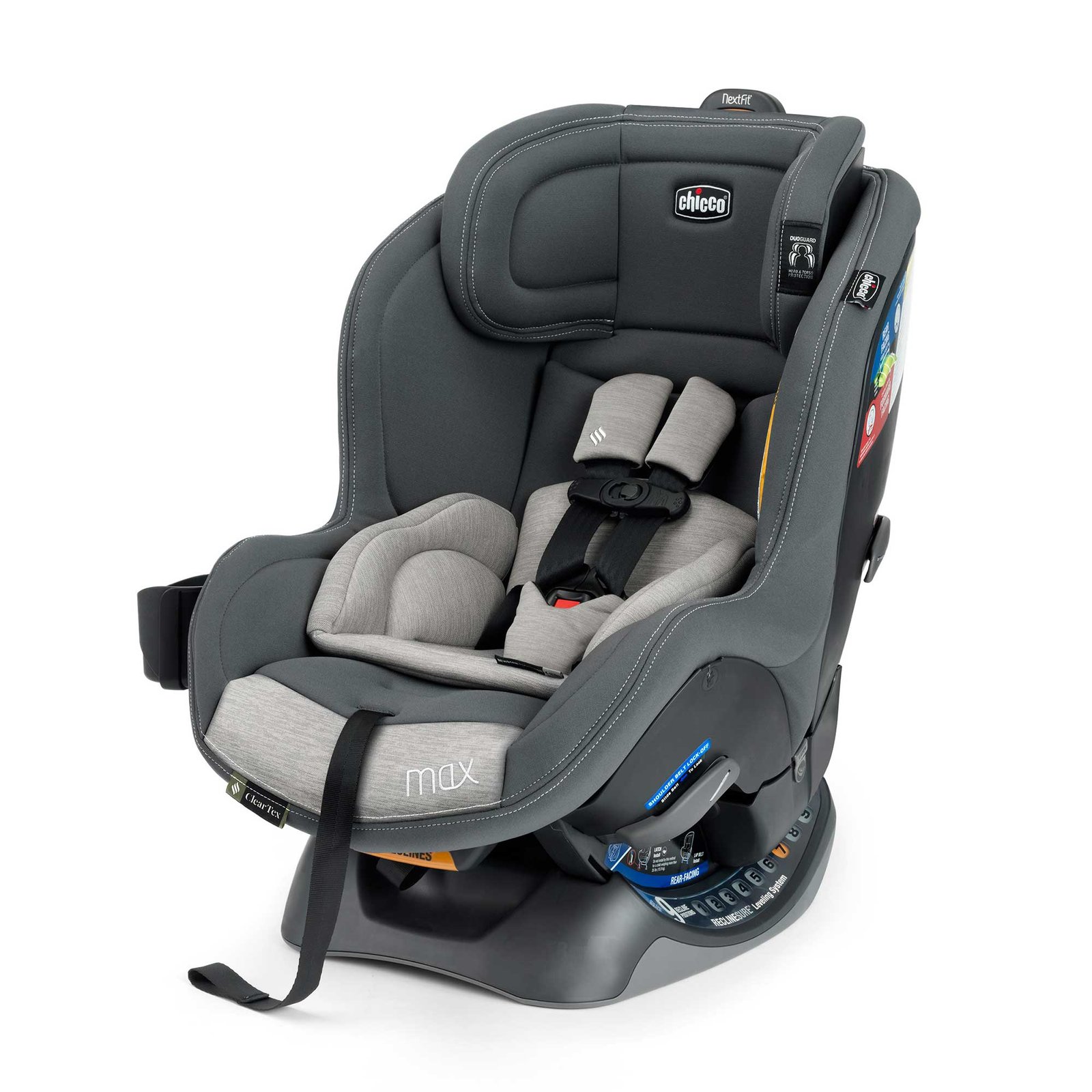
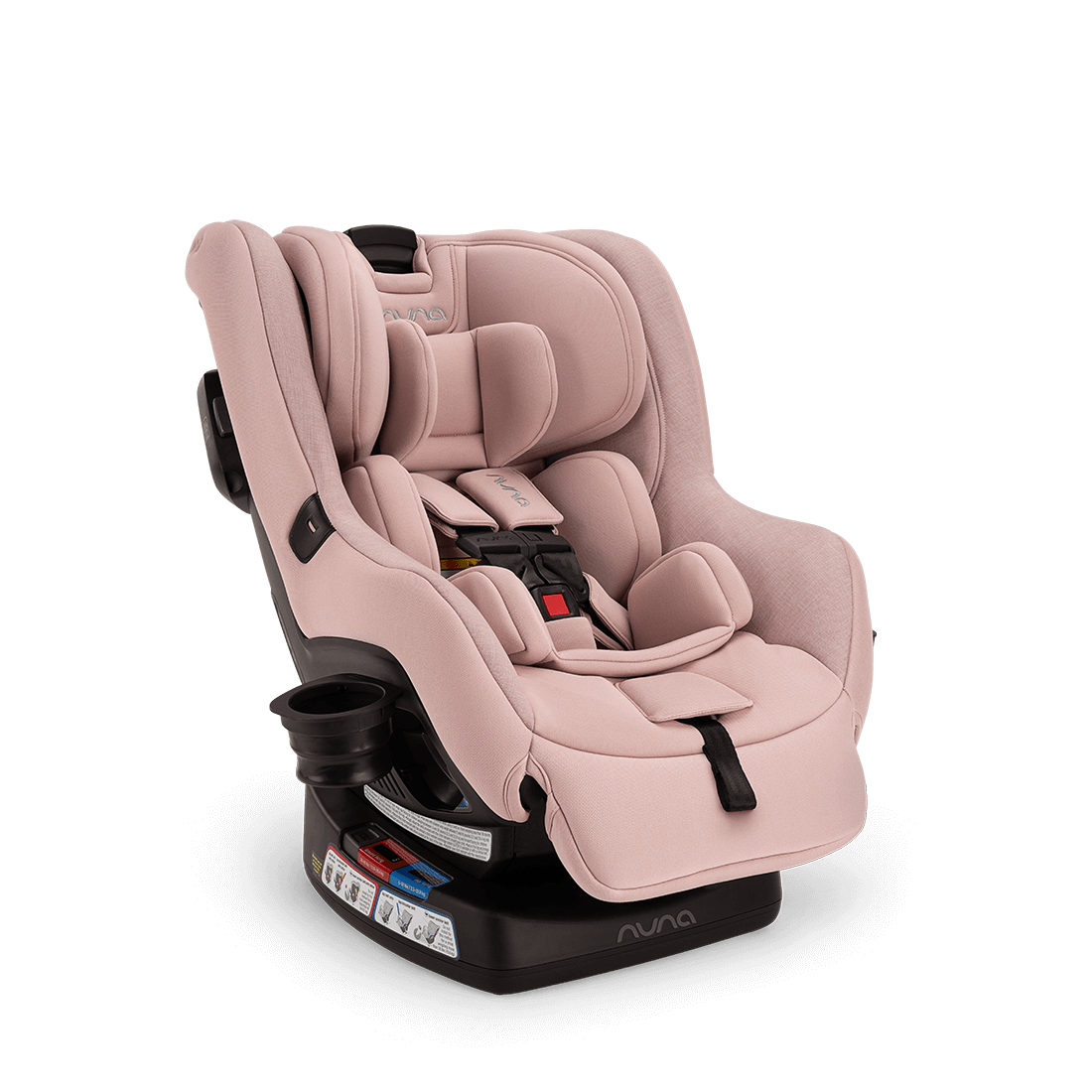

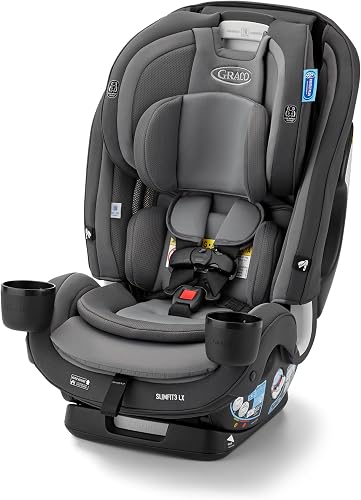
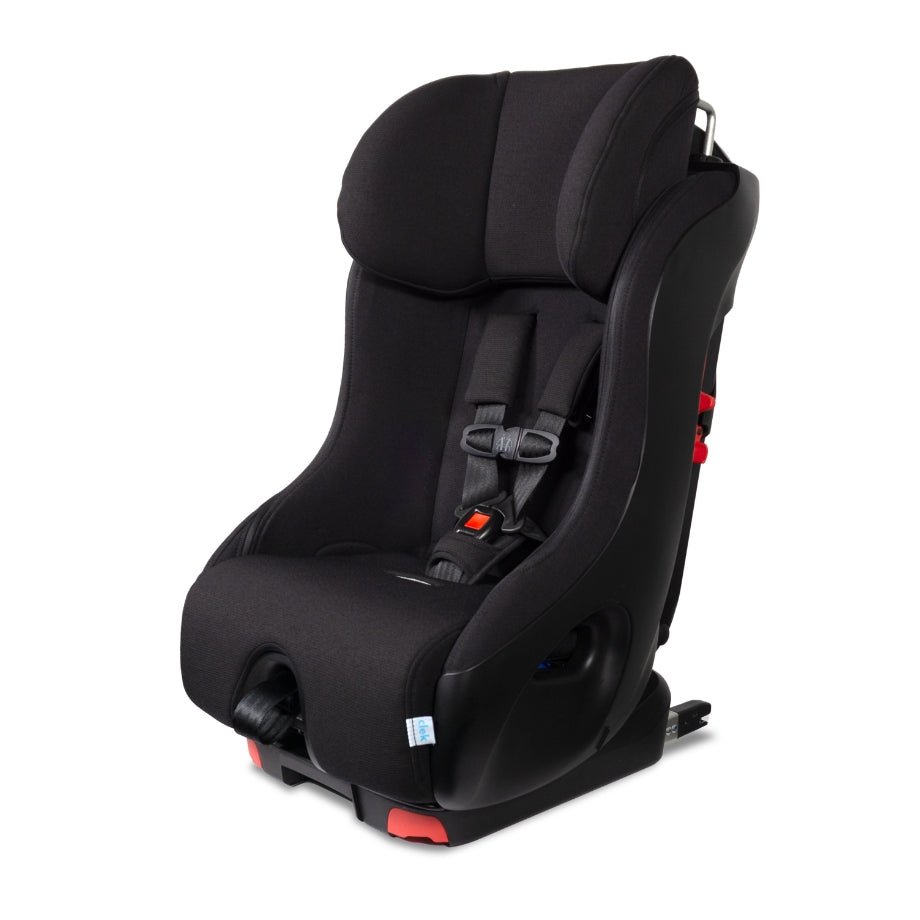

A convertible car seat is a child car seat that installs rear-facing for babies and toddlers, then turns around to forward-facing with a 5-point harness for preschoolers. It stays installed in the car, unlike an infant seat that clicks out of a base and into a stroller.
These are often sold as "all-in-one" or "3-in-1" seats. In this guide, "convertible car seat" covers both, and each review states whether booster mode is included.
A rear-facing seat spreads crash forces across the child's back, head, and neck, while the hard shell absorbs most of the impact (AAP, 2018).
Your child should ride rear-facing until they reach the top rear-facing height or weight limit printed on the seat. The AAP dropped its old “until age 2” rule in 2018 and now sets no age milestone at all (AAP, 2018).
The National Highway Traffic Safety Administration (NHTSA) gives the same advice: keep 1- to 3-year-olds rear-facing as long as possible, then move to a forward-facing seat with a harness and top tether (NHTSA, via National Safety Council Injury Facts, 2024).
This is why the rear-facing limit is the most important number on a convertible car seat. A 40 lb limit gets most children past age 2. A 50 lb limit can keep many children rear-facing to age 3 or 4.
Yes. Bent legs or feet touching the vehicle seat are normal in extended rear-facing. Dr. Benjamin Hoffman, lead author of the AAP policy, has noted that arms and legs are rarely injured in rear-facing seats, while the head, neck, and spinal cord get better protection (Contemporary Pediatrics, 2018).
Yes, by a large margin. NHTSA estimates that car seats reduce the risk of fatal injury by 71% for infants and 54% for toddlers in passenger cars (NHTSA, via National Safety Council Injury Facts, 2024).
The catch is correct use. In NHTSA's national observation study, 46% of car seats and booster seats had at least one misuse, and 44% of rear-facing convertible seats were misused (NHTSA, 2015). That is why easy installation carries real weight in the rankings below.
Before choosing a convertible car seat, check these criteria. Every seat on this list was compared against them using manufacturer specs and independent car seat technician reviews.
A 50 lb limit keeps most children rear-facing years longer than a 40 lb limit.
Many children outgrow a seat by height first, so check the inches limit and the "1 inch below headrest" rule.
A 65 lb harness limit lets your child stay harnessed until they are mature enough for a booster.
All-in-one seats save money later but are usually heavier and bulkier.
Seats under 17.5 inches make three-across seating possible in many cars.
Deep rear-facing seats can push the front passenger seat forward.
A 10 lb seat is easy to move between cars; a 30 lb seat is not.
Lock-offs and tensioning panels (ClickTight, Simply Secure, SuperCinch) cut installation errors.
LATCH (Lower Anchors and Tethers for Children) has its own weight cap, often 35-40 lb, after which you switch to a seat belt install.
This bar reduces how far the seat rotates toward the vehicle seatback in a crash.
A steel-reinforced frame adds strength at belt paths and anchor points.
Bubble or ball indicators confirm the correct angle for a newborn's open airway.
Raising the headrest also raises the straps, so you never unthread the harness.
Some seats meet flammability rules without added flame-retardant chemicals.
A label stating aircraft approval lets you use the seat on a plane.
Car seats expire, so a 10-year seat gives more value per dollar.
Each review below covers what the seat does better than the others, its real limits, and who should skip it. Specs come from manufacturer listings and certified technician reviews.
The Graco Extend2Fit is a 2-in-1 convertible car seat that rides rear-facing to 50 lb and forward-facing to 65 lb. It earns the top spot because it offers the longest rear-facing use at a price most families can manage.
The extension panel is the reason this seat exists. It slides out in four steps, giving a growing toddler up to 5 extra inches of legroom so they stay comfortable rear-facing instead of being turned around early because their legs feel cramped.
The 50 lb rear-facing limit matches seats that cost twice as much. Most convertible seats stop at 40 lb rear-facing, so those extra 10 lb can mean a year or more of additional rear-facing time for an average child.
Car Seats for the Littles, a team of certified child passenger safety technicians, reports the Extend2Fit fits well in tight spaces and installs easily with both lower anchors and the vehicle seat belt (Car Seats for the Littles, 2026).
Graco crash-tests the seat for frontal, side, rear, and rollover impacts, including rear-impact testing based on a European crash pulse (Graco, 2026). The seat pad is machine washable, which matters more than parents expect.
Families who want maximum rear-facing time without paying premium prices.
Compact cars with short back rows, or parents who need three seats across.
The Chicco NextFit Max ClearTex is a convertible car seat built for extended rear-facing, with fabrics made without added flame-retardant chemicals. It suits parents who want a 50 lb rear-facing limit and a cleaner material list.
ClearTex fabric meets federal flammability standards through the fabric construction itself, not chemical treatment. The seat is also GREENGUARD Gold Certified, which means it was tested for low chemical emissions inside the car (Chicco, 2026).
Installation is where Chicco seats earn their reputation. The SuperCinch tightener multiplies the force you apply to the LATCH strap, and the LockSure system clamps the vehicle seat belt. Fewer loose installs means fewer of the misuse errors NHTSA found in 44% of rear-facing convertibles (NHTSA, 2015).
The Max version gives 25% more legroom than other NextFit seats, with added calf support once the seat turns forward-facing (Chicco, 2026). The nine recline positions help you hit the right angle in cars with steep or flat seat cushions.
A removable newborn positioner supports babies from 4 to 11 lb, and the steel-reinforced shell adds strength (Babylist, 2026). The cup holder folds away and goes in the dishwasher.
Parents who want low-chemical fabrics and a confident installation.
Families who want one seat from birth to booster.
The Britax One4Life is an all-in-one convertible car seat that goes from rear-facing at birth to a high-back booster at 120 lb. It is the best choice for parents who worry about getting a tight seat belt installation.
ClickTight works like a trunk lid on the seat. You open the panel, thread the vehicle seat belt across, buckle it, and press the panel closed. The panel tensions the belt for you, which removes the knee-on-the-seat wrestling most installs require.
Consumer Reports rated the One4Life highly in its fit-to-vehicle and ease-of-use evaluations, though it noted the lower anchor limits mean you switch to a seat belt installation sooner (Consumer Reports, 2026). With ClickTight, that switch is easy.
The 49-inch rear-facing height limit is unusually tall. Combined with the 50 lb weight limit, it lets large children stay rear-facing well past their fourth birthday (Snuggle Bugz, 2026).
The harness adjusts itself when you raise the headrest, so there is no rethreading as your child grows. A steel frame and Britax SafeCell impact protection round out the safety package (Snuggle Bugz, 2026).
Parents who want one seat for 10 years and a simple installation.
Small cars, frequent car switching, or vehicles with fixed headrests.
The Nuna RAVA is a premium convertible car seat with a 50 lb rear-facing limit, a steel frame, and a belt tensioning plate that makes installation fast. It suits families who want top-tier comfort and finish.
The Simply Secure installation is the standout. You lift the seat cushion, slide the vehicle belt through, and press the tensioning plate down. The seat locks tight without pulling on the belt with your full body weight.
The RAVA fits three across in most full-size vehicles despite its premium padding, according to Nuna’s retailer listings (MacroBaby, 2026). It measures about 19 inches wide, so check your car’s back row before counting on that.
Comfort details justify part of the price. The headrest widens as it rises, the fabric has ventilation panels, and an extendable panel adds about 2 inches of rear-facing legroom (Babylist, 2026).
The RAVA is FAA-certified for aircraft use and has an all-steel frame with a reinforced belt path (MacroBaby, 2026). The seat pad, inserts, and harness covers are all machine washable.
Families who want premium materials and easy belt installation.
Budget-focused buyers or anyone who needs a booster mode.
The Evenflo Revolve360 Extend is an all-in-one rotating car seat that swivels 360 degrees with one hand and stays rear-facing to 50 lb. It is the best pick for parents whose backs ache from loading a child into a rear-facing seat.
The swivel changes daily life with a toddler. You turn the seat to face the open door, buckle your child while standing straight, then rotate back to rear-facing and hear it lock. No more leaning across the seat at an awkward angle.
You install the base once for both directions. Switching from rear-facing to forward-facing does not require a reinstall, which removes a common point where installation errors creep in (Evenflo, 2026).
The 50 lb rear-facing limit puts the Revolve360 Extend ahead of most rotating seats, which usually stop at 40 lb. A padded, zip-on leg rest adds comfort for older rear-facing children (Evenflo, 2026).
Evenflo also offers an on-the-go recline, so you can adjust the angle without uninstalling. The Quick Clean Cover version removes without taking off the harness.
Parents with back pain, tall SUVs, or a child who fights getting buckled.
Compact cars or families who move the seat between vehicles.
The Graco SlimFit3 LX is a narrow all-in-one car seat that measures just 16.7 inches wide. It is the go-to choice for families who need to fit three car seats in one back row.
Width is the whole point here. At 16.7 inches, the SlimFit3 LX is one of the narrowest car seats sold in the US, and Graco designed it specifically to fit three across (Safe in the Seat, 2026).
It is also compact front-to-back when rear-facing. Safe in the Seat notes it works well in smaller vehicles and behind tall front passengers, where deeper seats force the front seat forward (Safe in the Seat, 2026).
Parents rate it well in daily use. Graco lists a 4.7 out of 5 average from more than 2,100 customer reviews (Graco, 2026). At about 19 lb, it is light for an all-in-one.
The SlimFit3 LX is FAA-approved, and because it is compact rear-facing, it fits in that direction on most airplane seats (Safe in the Seat, 2026).
Growing families who need three seats across, or small cars.
Parents focused on rear-facing to 50 lb.
The Clek Foonf is a convertible car seat built with automotive-style crash technology, a steel anti-rebound bar, and rigid lower anchors. It suits parents who want the most engineered protection and do not mind the weight.
REACT stands for Rigid-LATCH Energy Absorbing Crumple Technology. It works like a car’s crumple zone: the base compresses in a forward-facing crash, slowing the child’s movement. Clek designed it to give forward-facing children rear-facing-level protection (Clek, 2026).
Rigid LATCH means the lower anchor connectors are solid metal arms, not straps. You push them onto the anchors until they click, and the seat is locked in place. It installs in seconds forward-facing (Clek, 2026).
At 16.9 inches wide, the Foonf fits three across in many cars. Safe in the Seat reports it has not found a vehicle headrest the Foonf fails to work with (Safe in the Seat, 2026).
Clek allows rear-facing to 50 lb in the US, enough for most children to stay rear-facing until about age 4 (Clek, 2026). A steel anti-rebound bar is required in rear-facing mode.
Parents who want the most crash-engineering features and a narrow seat.
Anyone moving the seat between cars or buying for a newborn on a budget.
The Diono Radian 3QXT is a narrow all-in-one car seat that rides rear-facing to 50 lb, converts to a 120 lb booster, and folds flat. It is the best pick for families who want three across and booster mode in one seat.
The Radian folds flat like a lawn chair. That makes it easier to carry through an airport or store in a trunk, and it is FAA-approved for gate-checking or aircraft use (Snuggle Bugz, 2026).
It is the rare all-in-one that combines a 17-inch width with a 50 lb rear-facing limit. Most narrow seats cap rear-facing at 40 lb, and most 50 lb seats are wide.
The seat sits low to the vehicle cushion, which keeps it stable and leaves room for tall children forward-facing up to 57 inches (Snuggle Bugz, 2026). A rear-facing base raises the angle for newborns and adds legroom.
Diono builds the shell around a full steel frame and aluminum reinforcement. Car Seats for the Littles measured its widest point at 16.5 inches at the shoulders (Car Seats for the Littles, 2026).
Families who need three across and want birth-to-booster use.
Parents who want a fast, simple installation.
The Safety 1st Grow and Go is an affordable all-in-one car seat that covers rear-facing, forward-facing, and booster modes. It is the best value for families who want one seat for years without spending $400.
The price is the headline. You get the same three modes as seats costing twice as much, with a 65 lb harness limit that matches premium seats in forward-facing mode.
The compact rear-facing shell leaves up to 7 more inches of legroom for the front passenger, according to Safety 1st’s listing (BabyQuip, 2026). That helps in sedans where a deep rear-facing seat squeezes the driver or passenger.
The QuickFit harness moves the headrest and straps together. You adjust for growth in seconds without rethreading or uninstalling (Safety 1st, 2026).
Harness holders keep the straps open while you load your child, and the seat pad is machine washable and dryer safe. Both features reduce daily friction for tired parents.
Budget-conscious families who want one seat from birth to booster.
Parents who want extended rear-facing past 40 lb.
The Cosco Scenera Next is a lightweight, low-cost convertible car seat that is FAA-approved and easy to carry. It is the best pick for air travel, grandparents’ cars, and backup seats. For flights, pair it with one of our lightweight travel strollers.
The weight is what makes this seat famous. At about 10 lb, you can carry it through an airport on one arm. Many parents strap it to a rolling suitcase.
It installs easily with LATCH or a seat belt and stays compact rear-facing. Safe in the Seat calls it inexpensive and straightforward, lasting most children from birth to preschool (Safe in the Seat, 2026).
The Scenera Next lets most babies stay rear-facing until at least age 2. Because the forward-facing limit is also 40 lb, maxing out rear-facing means you have nearly maxed out the whole seat (Safe in the Seat, 2026).
That makes it a poor primary seat for a growing preschooler but an excellent second seat. A spare for a caregiver’s car costs less than a family dinner out.
Air travel, rental cars, and grandparents' vehicles.
A primary seat you expect to use past age 4.
A correct installation moves less than 1 inch side to side or front to back when you pull at the belt path. Use either the lower anchors or the vehicle seat belt, not both, unless your manual allows it.
Follow these steps for every convertible car seat:
Read both manuals: the car seat manual and the vehicle manual’s child seat section.
Set the recline angle using the seat’s level indicator before tightening anything.
Route the lower anchor strap or seat belt through the correct belt path, which differs for rear-facing and forward-facing.
Press the seat down and tighten until it moves less than 1 inch at the belt path.
Forward-facing, always attach and tighten the top tether. NHTSA recommends a harness and tether for every forward-facing child (NHTSA, via National Safety Council Injury Facts, 2024).
Register the seat with the manufacturer so you receive recall notices.
In 2024, Britax issued a recall to correct the rear-facing lower anchor limit printed on One4Life Slim labels from 40 lb to 35 lb, and it mailed remedy kits to registered owners (NHTSA recall 24C-001, 2024).
If you are unsure, book a free check with a certified Child Passenger Safety Technician through NHTSA's inspection station locator at NHTSA.gov/TheRightSeat.
The Graco Extend2Fit is the best convertible car seat for most families. It rides rear-facing to 50 lb, adds up to 5 inches of legroom, and costs far less than premium seats with the same rear-facing limit (Graco, 2026).
Yes, if the seat’s minimum weight fits your baby. Most seats here start at 4 or 5 lb with newborn inserts. The Clek Foonf starts at 14 lb unless you add Clek’s infant accessory (Safe in the Seat, 2026). An infant seat is still more portable for the first months. Many parents start with a stroller and car seat combo.
A convertible car seat has rear-facing and forward-facing harness modes. An all-in-one seat adds a booster mode for older children. All-in-ones like the Britax One4Life last longer but are usually heavier and wider.
Keep your child rear-facing until they hit the seat’s rear-facing height or weight limit. The AAP removed the age-2 milestone in 2018, and NHTSA advises rear-facing as long as possible for 1- to 3-year-olds (AAP, 2018; NHTSA, via National Safety Council Injury Facts, 2024).
The Graco SlimFit3 LX (16.7 inches), Clek Foonf (16.9 inches), Diono Radian 3QXT (17 inches), and Cosco Scenera Next (17 inches) are the narrowest seats on this list. Vehicle seat shape and buckle placement also affect fit, so measure your back row first.
Yes. Every car seat has an expiration date printed on a label and molded into the shell. All-in-one seats like the Evenflo Revolve360 Extend and Diono Radian 3QXT are marketed for 10 years of use (Evenflo, 2026; Diono, 2026). Plastic weakens over time and standards change.
Rotating car seats must pass the same federal safety standards as fixed seats. The seat must lock into the travel position before driving. The Evenflo Revolve360 Extend meets or exceeds all applicable federal standards, according to Evenflo (Evenflo, 2026).
Neither is safer when done correctly. Use whichever gives you a tight install. Switch to the seat belt once your child passes the lower anchor weight limit on your seat’s label, which is often 35-40 lb.
The Graco Extend2Fit is the best convertible car seat for most families, pairing a 50 lb rear-facing limit with extra legroom at a mid-range price. If you want birth-to-booster use with the easiest seat belt installation, choose the Britax One4Life. For three across, the Graco SlimFit3 LX is the narrowest pick, and the Cosco Scenera Next is the smart buy for travel or a second car.